
A Complete Blueprint for a Self-Sustaining City on Mars by 2100

Imagine a future where humans build a self-sustaining city on Mars that relies on nothing from Earth. You may think that we are centuries away from building a city like this on Mars. However, we are only a few decades away from making it a reality.
Elon Musk, the founder of SpaceX, previously announced that his aerospace company will build a city on Mars before 2054 and put about 1 million humans in this city. However, he recently revealed that he will be building a city on the moon first, before building another on Mars. The idea of building on the moon is to understand the possibilities of creating a self-sustaining city on a celestial body much closer to Earth before heading further into deep space to build another on Mars. You are about to find out how humans will build a self-sustaining Mars city before 2100.
How humans will build a self-sustaining Mars city before 2100
Building a city on Mars and building a self-sustaining city on Mars are completely two different things. Firstly, a regular city on Mars might still depend on Earth for most of its supplies.
However, a self-sustaining city on Mars should be able to create its supplies directly on the red planet without depending on Earth for anything. This self-sustaining city will have the capability of starting the first interplanetary trade with Earth in the near future.
2030s
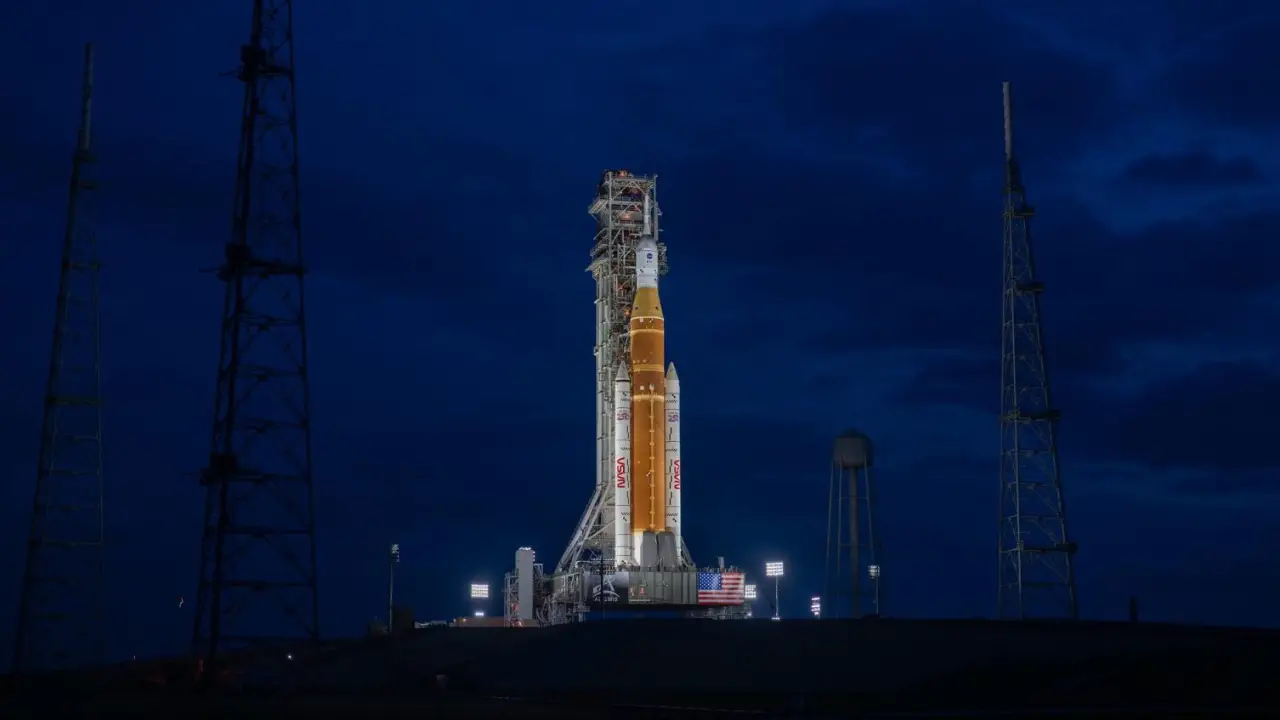
Since all attention is now focusing on returning humans to the moon, space agencies may start considering sending a crewed mission to Mars by the late 2030s or early 2040s. However, before then, they must have successfully sent an uncrewed starship to the red planet to understand the possibility of sustaining humans on such a long-duration space flight.
By the late 2030s, space agencies like NASA and SpaceX may start sending supplies to Mars, testing for survival using humanoid robots, and establishing a basic foundational infrastructure for the actual crewed landing.
2040s
By the early 2040s, the first astronauts may be on their way to Mars to see what it looks like to survive on the Martian surface. These astronauts, with the help of 2040 space technologies, will set up small, permanent, and buried Mars Bases close to the regions mapped for water ice.
The agencies running this operation will power the Mars base with nuclear power. The crew will gradually start experimenting on how to farm on Mars, extract water, and do other interesting activities that will guarantee long term human stay on the red planet.
2050s-2060s
Between 2050s and 2060s, astronauts on Mars will advance their research towards local resource utilization (ISRU) for water, fuel, and construction materials, reducing dependency on Earth. However, space agencies will still be sending supplies to the crew to support whatever they are doing on Mars.
2070s-2080s
Between 2070s and 2080s, the crew on Mars will expand their operation and start building self-sustaining towns using advanced technologies, rotating greenhouses to simulate Earth’s gravity, and many other interesting techs. Space agencies can comfortably send more astronauts to Mars at this point to experiment with what it will be like living permanently on the surface of Mars.
2090s-2100 (Building the Actual City on Mars)
Between 2090s and 2100, space agencies will convert the small town previously built on Mars into a self-sustaining, thriving city that does not depend on Earth for any supplies. This city on Mars will have its own school, hospital, market, government, lawmakers, and everything that makes up a real city on Earth. About 1 million people will be living in this thriving city, with the intention of advancing it further and growing the Martian economy to even compete with Earth’s economy. At this point, people living on Mars will feel comfortable giving birth to children there and raising them under Martian gravity and other environmental conditions. Do you think we can make this happen in our lifetime?